- This event has passed.
SBC # 559 Looking for America: Part 4 The Committee of Secret Correspondence! and other stories …
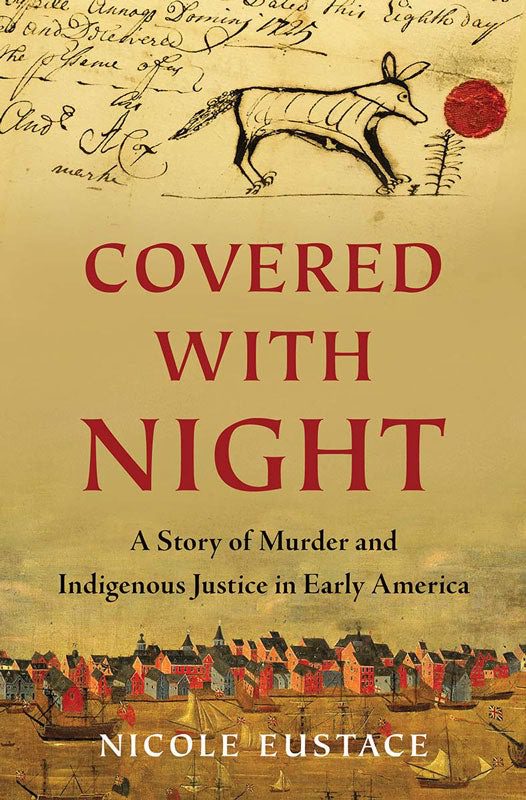
From “On Tyranny” by Timothy Snyder
‘The precedent set by the Founders of America demands that we examine history to understand the deep sources of tyranny, and to consider the proper responses to it.”
Share Your Ideas and Concerns in an Open Conversation – after a Short History Lesson!
Looking for America: Part 4
The Committee of Secret Correspondence!
How did the colonists have possibly communicated and coordinated the American Revolution for Independence with only horses, canoes, and ships – sailing ships, not steam ships?! How could all the various marching armies and fleets of ships from many directions all converge at just the right time to decisively defeat the British Empire at the 1781 Battle of Yorktown? The role of finance and trade in the success of the American War of Independence has been underestimated and misunderstood by many scholars and historians. The ten members of the committee of secret correspondence used their wealth, knowledge of trade and finance, espionage and intrigue, diplomacy and worldwide relationships to provide Washington’s Colonial Army with gun powder, flower, rum and supplies. The fight for independence would have failed without there clandestine efforts.
Land, Liberty and Lira
The American War of Independence was both a civil war and a worldwide war beginning in 1763 with true independence and sovereignty not won until 1815. Yes, really! It was formed as if it were meant to be an antidote to the rise of nationalism and tyranny while at the same time championing the emergence of the free individual bound by responsibility to the community one lives in. America’s origins were in the form of a London based share company (The Virginia Company) that settled Jamestown, Virginia in 1607 where the tobacco trade exploded. The virgin American territory was seen as the largest emerging economic market in history. Was America to be a place for people to be free to take initiative, to satisfy their own needs as well as the needs of the community where one took initiative?
“It is a primary American tradition to consider history when our political order seems imperiled. If we worry today that the American experiment is threatened by tyranny, we can follow the example of the Founding Fathers and contemplate the history of other democracies and republics.” Timothy Snyder, University of Toronto